Small Business Funding Options Compare Government Grants

Small Business Funding Options Compare Government Grants

Small Business must pivot to navigate a tight economy and vanishing government grants. 

Access to capital isn’t just important, its a crucial lifeline to surviving. Government grants support comes and goes, plus the ATO stepping up pressure on tax debts, small businesses are caught between tighter margins and fewer support options. For many business owners, the constant challenge is ‘how’ do your support your growth?

This article explores the recent changes affecting small business funding, outlines viable alternatives in the private market, and provides a comparable guide to balancing grants with strategic capital to grow.

If government funding dries up what’s your next move?

small business funding

Small Business Funding Options

While grants are often tied to outcomes and reporting, alternative finance offers flexibility, speed, and strategic use cases. Australian Alternative lending market is set for huge growth, as more business owner turn to non-bank solutions.

Alternative lending adoption is expected to grow steadily over the forecast period, recording a CAGR of 17.4% during 2024-2028. The alternative lending market in Australia is set to increase from US$4.68 billion in 2023 to reach US$11.26 billion by 2028. (source ResearchAndMarkets.com)

In 2023 there were 2.5 million SMEs in Australia, with 406,000 new businesses launched.

In 2024 the top 3 growing sectors are Aged & Disability care, Cleaning & gardening maintenance and post Construction services.

In 2025 the high demand sectors were; Health Care / Aged Care, then all technology services such as cybersecurity, cloud computing & artificial intelligence.

Small businesses that are new or less than 3 years of trading, reflect a dynamic gap away from traditional banking requirements for approval. Government Grants and Private Capital are better positioned to offer small business funding options across all industries.

Access to funding is the most crucial factor, considering the survival rate of new businesses varies significantly between industries.According to (source:ABS Data cube as of 2024), 62.6% of agriculture, forestry and fishing businesses survived beyond three years of operating (among businesses started in the 2020/21 financial year). Compared with 38.8% of transport, postal and warehousing businesses survived over the same time frame. The overall survival rate across all industries was 50.1%.

small business grants

Self employed (62.5%) 1–4 employees (26.0%) 5–19 employees (8.7%) 20–199 employees (2.6%) 200+ employees (0.2%)

Australian Small Business and Family Enterprise Ombudsman

Small businesses have faced challenges, with a decline in economic performance scores in May 2024, and a decrease in businesses recruiting new staff. 

Australian Association of Convenience Stores

Small Business Grants Disappearing 

In June 2025, the NSW Government confirmed the closure of the Business Connect Program, a long-standing support initiative that offered one-on-one advice and mentoring to SMEs. Its removal leaves thousands of businesses particularly regional operators and first-time founders with one less avenue for expert guidance and development funding.

NSW is not alone. Across Australia, several state-based initiatives are under review or quietly being scaled back. While federal programs like the Export Market Development Grant (EMDG) remain in place, they often come with stringent eligibility criteria and long reimbursement cycles.

In a climate of rising operating costs and global trade instability, timing is everything. A funding delay of three to six months can be the difference between survival and closure

Government Small Business Support Available

Despite the cuts, there are still valuable funding programs available, however companies should act fast and prepare thoroughly. Here’s a snapshot is available:

Program
Provider
Purpose
Structure
EMDG (Export Market Development Grant)
Austrade
Reimburse up to 50% of export marketing spend
Matching grant, capped per tier, paid in arrears
Export Finance Australia (EFA)
Federal Gov’t
Working capital, supplier finance, overseas buyer finance
Loans and bonds for export-focused SMEs
VIC Business Growth Fund
Victorian Gov’t + Private Banks
Equity investment for SME expansion
Strategic minority stake
Ignite Ideas Fund (QLD)
QLD Gov’t
Support for innovative QLD-based businesses
Competitive grant – up to $200K
Regional Investment NSW
NSW Gov’t
Attract private investment into key industries
Project-based funding
NT Business Innovation Program
NT Gov’t
Supports early-stage business growth
Up to $30K, co-funded with mentoring

ATO Crackdown and the Real Cost of Tax Debt

From 1 July 2025, General Interest Charges (GIC) imposed by the ATO are no longer tax-deductible. At 11.17% per annum (Q3 2025), this is higher than many forms of private finance and far less flexible.

The ATO is also taking a harder line on:

  • Unpaid GST or PAYG
  • Director penalty notices (DPNs)
  • Garnishee orders and business wind-ups
  • Public disclosures to credit reporting agencies

“For many SMEs, the cost of unpaid tax debt is now not just financial, it directly impacts access to future funding.”

samall business ATO crackdown-Accrutus<br />

Export Finance Australia & Austrade

If you’re planning to scale internationally or deal with overseas buyers, Export Finance Australia (EFA) offers small business funding options such as:

  • Working capital loans up to $5M
  • Bonds to support international contracts
  • Supplier/buyer credit terms
  • Government-backed flexibility

Meanwhile, Austrade supports small business funding with these services;

  • Investment attraction into key sectors
  • Export readiness and trade promotion
  • Regional development funding

These programs are highly strategic, have a longer timeframe, and require financial backing or matching capital. Small business funding with short-term business loans, undecured working capital or trade finance can fill the cash flow gap.

small business funding options

Australia’s funding landscape is evolving and small business owners should be aware private capital available to them and know where to look and how to use it.

Accrutus Capital is committed to increasing awareness of small business funding options through their articles, non-bank funding partners, government grants and small business resources. Explore alternative capital solutions here from the private sector.

At Accrutus Capital, we help small business owners like you navigate both public and private funding, structure capital the smart way, and move fast when opportunity knocks.

Call us today at 07 3184 9183 and speak to our small business funding specialist.

Alternative Funding Solutions

  1. Don’t rely on grants alone. They are helpful but slow and increasingly limited.
  2. Assess your capital stack. Combine government support with private funding to balance risk and speed.
  3. Monitor ATO obligations. The cost of tax debt is now too high to ignore. Payout or finance the ATO.
  4. Be lender ready. Keep financials updated. Prepare your 3-way cash flow forecast. Understand what private funders, or government grants look for.

With Accrutus Capital, small business owners can access;

  • Working capital facilities
  • Equipment and asset finance
  • Unsecured term loans and LOC
  • Short-term bridging capital
  • Trade and Invoice finance

These facilities are tailored to funding growth, smoothing cash flow, and taking advantage of opportunities as they arise.

DISCLAIMER

The disclaimer covers content, comments, responsibility, links, government and local laws, jurisdiction and communication methods. None of the contents on this website or blog should be construed as any kind of advice or recommendation. Nothing in it should be taken to constitute a statement that is intended to influence a person or persons in making a decision regarding any investment or financial product. This website or blog does not purport to be complete, accurate or contain all information which its users may require to make an informed assessment of whether to invest in any Offer listed through Accrutus Capital Pty Ltd.

Non-Correlated Assets Matter

Non-Correlated Assets Matter

Why Non-Correlated Assets Matter More Than Ever

In modern portfolio theory, diversification is key. But diversification isn’t just about spreading money across asset classes. It’s about selecting investments that behave differently under the same market conditions.

What Are Non-Correlated Assets?

Non-correlated assets are those whose performance doesn’t mirror the traditional markets. When equities fall, a non-correlated asset might stay flat, or even rise. These are strategic tools for mitigating downside risk.

According to Guggenheim Investments’ Correlation Map, U.S. and global equities have a near-perfect correlation of 0.94. In contrast, assets like collectibles, real estate syndicates, fine art, or bloodstock can register correlations below 0.20.

Investing in Australian racing is more affordable compared to other major jurisdictions, with access to high-quality bloodstock. ​ The market offers strong potential for returns on investment.

non-correlated assets

Why It Matters to Investors in 2025

Market volatility, inflation, geopolitical tension, and rising rates are all converging. Traditional safe havens like bonds are underperforming. In this environment, wholesale and sophisticated investors are pivoting toward alternative capital strategies with non-market-linked return profiles.

Opportunities for Investment in Bloodstock

Australia offers numerous opportunities for individuals interested in investing in the bloodstock market, supported by various organizations and professionals. ​

  • Aushorse provides information to overseas investors. ​
  • The Federation of Bloodstock Agents Australia (FBAA) offers personalized advice and auction representation. ​
  • Major sales companies like Inglis and Magic Millions have dedicated bloodstock teams. ​
  • Licensed commercial syndicators offer fractional ownership options for new investors. ​
  • Leading global owners are increasingly investing in the Australian racing scene. ​

Key benefits include:

Portfolio stability when public markets crash

Lower volatility and drawdown exposure

Strategic tax planning via illiquid structures

In today’s uncertain economic climate, discerning investors are searching for more than just market returns they’re seeking non-correlated, income-generating assets backed by tangible value. Bloodstock once seen as passion-based or speculative, this asset class is now emerging as a serious contender in the world of structured alternative investments.

Real assets with income and capital appreciation potential

alternative assets

Industry-backed scale with a $35 million FUM target, ultimate goal is $100 million FUM

Non-correlated assets

Direct alignment with Australia’s booming thoroughbred sector

Real-World Use Cases:

Who Invests in Non-Correlated Assets?

Sophisticated investors have long relied on non-correlated assets for diversification:

  • Family Offices allocate to real assets, collectibles, or niche alternatives for generational wealth stability.
  • HNWIs increasingly participate in private syndicates or asset-specific funds.
  • Hedge Funds apply market-neutral strategies to capture alpha outside beta-dominated markets.
  • Wealth Managers advise on diversified structures to protect against systemic risk.

The Tax Advantage:

Non-Correlated Assets as Diversification and Deferral Tool

Investments in alternative capital structures like the Bloodstock can also support:

  • Capital gains tax deferral via reinvestment cycles
  • Distributions aligned to fund events, not fixed schedules (helps manage taxable events)
  • Partly paid units, which may be beneficial in timing cash flow and call-ups around EOFY

As of June, investors with exposure to public equities may be sitting on capital gains. Allocating to illiquid, uncorrelated vehicles may offset or defer tax liabilities.

The Bloodstock Fund — Australia’s Elite Alternative Capital Vehicle

At Accrutus Capital, we actively partner with managers who specialise in identifying high-return, low-correlation strategies. One of the most compelling examples is the Bloodstock Fund.

Highlights:

  • Target IRR: 25% p.a. (non-market linked)
  • Assets: Elite Yearlings and Stallions across AU & NZ
  • Investment Horizon: 6+ years
  • Minimum Investment: $100,000 (Wholesale only)
  • Structure: Closed-ended, capital call format

Unlike shares or property trusts, these horses are managed by experienced professionals with a commercial track record in the racing and breeding sector.

Alternative Capital Strategies

In today’s diversified portfolios, the rise of alternative capital strategies has changed the way sophisticated investors build resilience and generate returns. These strategies refer to non-traditional, often illiquid, investment opportunities that fall outside the scope of publicly traded stocks and bonds. Typically, they include private equity, real assets, venture capital, collectibles, infrastructure, hedge funds, and more recently, niche sectors such as art, wine, litigation finance, or even intellectual property.

The primary appeal of alternative capital strategies is their ability to deliver alpha in non-correlated market conditions. Unlike traditional asset classes that often move in tandem due to macroeconomic forces, these alternatives offer lower correlation — meaning they may behave independently from broader market movements.


Use Cases & Strategic Benefits

  • Yield Enhancement: In low interest rate environments, alternatives may offer higher yield potential through structured returns or asset-specific appreciation.
  • Diversification Through Non-Correlated Assets: Adding non-correlated assets reduces overall portfolio volatility, particularly valuable during market corrections or economic downturns.
  • Illiquidity Premium Capture: Many private investments compensate investors for tying up capital by offering an illiquidity premium — potentially higher returns over time.
  • Inflation Hedge: Real assets like infrastructure, commodities, and certain collectibles have shown strong performance during inflationary cycles, helping preserve purchasing power.
  • Access to Innovation & Private Markets: Venture capital, startup equity, and IP royalty streams are popular with investors seeking exposure to high-growth innovation inaccessible via public markets.


Asset ClassAvg Annual Return (%)Risk (Volatility %)5-Year Value ($5M)
Equities8%15%$7.35M
Bonds4%5%$6.08M
Real Estate6%10%$6.69M
Private Equity12%20%$8.81M
Bloodstock Fund25%30%$15.26M

Source: Accrutus modelling. Assumes $5M investment compounded annually. Past performance is not indicative of future results

Alternative Capital Strategies

At Accrutus Capital, we are proud to support the launch of the Bloodstock Fund, a formally structured, wholesale investment vehicle offering access to one of Australia and New Zealand’s fastest-growing alternative markets.

Thanks for your interest in the Non-Correlated Assets. To request an investor pack offering a detailed look at how to access exclusive Yearling and Stallion deals through private market channels in Australia and NZ.

Call us today at 07 3184 9183 and speak to our Head of Finance & Investment.

A Strategic Move Before EOFY

As we approach June 30, the window to minimise your FYE tax position is closing.

  • Uncorrelated growth
  • Strategic tax timing benefits
  • Access to a rare, elite asset class
  • Investment Horizon: 6+ years
  • Assets: Elite Yearlings and Stallions across AU & NZ
  • Target IRR: 25% p.a. (non-market linked)

DISCLAIMER

The disclaimer covers content, comments, responsibility, links, government and local laws, jurisdiction and communication methods. None of the contents on this website or blog should be construed as any kind of advice or recommendation. Nothing in it should be taken to constitute a statement that is intended to influence a person or persons in making a decision regarding any investment or financial product. This website or blog does not purport to be complete, accurate or contain all information which its users may require to make an informed assessment of whether to invest in any Offer listed through Accrutus Capital Pty Ltd.

Small Business Struggling

Small Business Struggling

Small Business Struggling to navigating the financial pressures facing Australian SMEs in 2025

Australian small and medium-sized enterprises (SMEs) have shown remarkable resilience. But as we head into the second half of 2025, many of these small business are struggling with increasing pressure from rising costs, policy uncertainty, and shifting economic conditions. While some sectors remain cautiously optimistic, others are confronting a new reality: survival now demands strategic reinvention.

This blog provides insights into the current SME landscape in Australia, drawing on recent findings from the 22nd edition of ScotPac’s SME Growth Index and other credible sources. Our goal is to break down these complex challenges into easy-to-digest insights for time-poor business owners looking for practical guidance.


This can affect future deals and partnerships that might come down the line.

small business struggling

Why are small businesses struggling?

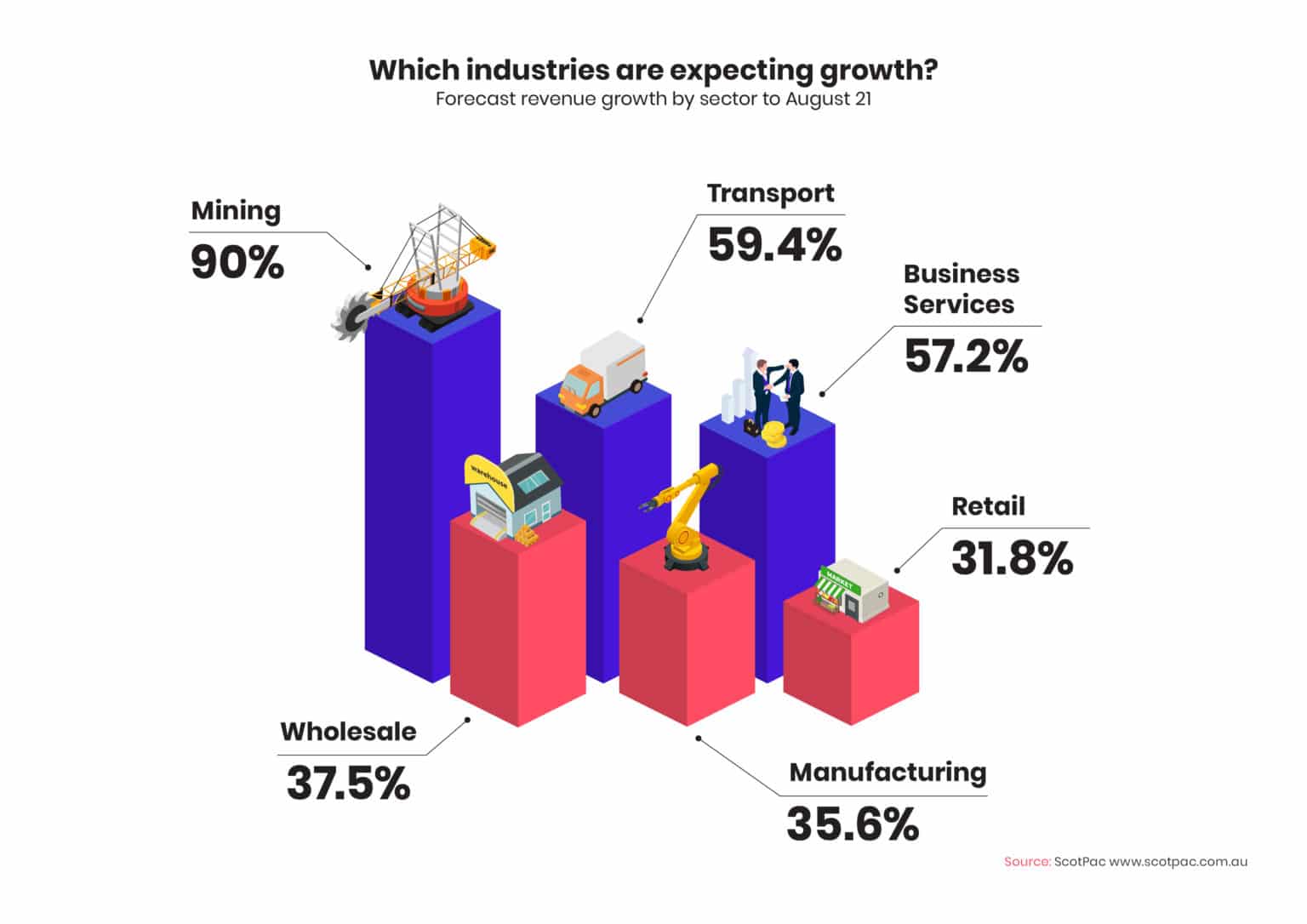
According to the SME Growth Index, the Australian SME sector is experiencing a mixed economic outlook:

60% of SMEs expect revenue growth over the next six months, with an average forecast of 9.7%.

33% expect contraction, with an average drop of 30%, highlighting a stark divide.

SME revenue growth is projected at just 1.4%, significantly down from previous years.

This uneven outlook is worsened by inflation pressures, rising operational costs, and the lingering impact of policy uncertainty following the federal election in May.

Explore how Accrutus Capital supports SME growth.

Using contactless deliveries to make their services available.

small business trends fintech

Requiring employees to learn new skills to support the changes to the business model.

Small business struggling

Rising Employment Costs and Staffing Adjustments

A dominant concern among small business struggling is the cost of wages and superannuation:

  • 95% of SMEs report negative impacts from rising wage and super costs.
  • 45% are increasing contractor use, while 15% are outsourcing services.
  • 13% have reduced employee hours or headcount to manage cash flow.

For many SMEs, these actions are not about growth, they’re survival tactics.

The Shift to Non-Bank Finance

There’s a noticeable trend among small business struggling is being turning away from traditional bank borrowing:

  • 55% prefer non-bank lenders, up 7% from last year.
  • Only 30% plan to borrow from banks, a 29% year-on-year decline.
  • 94% would consider using their own equity for investment, an indicator of shrinking credit access and trust in banks.

As a result, alternative finance solutions are playing a vital role in bridging the funding gap.

Insolvency and Business Fragility

Payment defaults and aggressive debt collection efforts have triggered a rise in insolvency rates:

  • A 47% surge in insolvency appointments occurred in late 2024.
  • 1 in 5 SMEs say they would fail if they lost a key client.
  • Businesses report a potential 22% revenue drop from the loss of a major customer.

The risk is especially acute in retail and hospitality, where profit margins are thin and consumer spending remains uncertain.

Limited Investment in Innovation

Despite all the talk about digitisation and AI, small business are struggling to invest:

  • Only 7% are investing in AI.
  • 23% are investing in sales tools to drive immediate revenue.
  • 45% say they would invest in supply chain improvements if funding allowed.

This suggests SMEs are focused on short-term survival, not long-term innovation unless they can access capital.

What Can SMEs Do Next?

If you’re a small business struggling, the data sends a clear message: the old ways may no longer work. Here are five actionable tips:

  1. Review Funding Options: Don’t rely solely on bank loans. Consider non-bank lenders, invoice finance, or asset-backed lending.
  2. Update Cash Flow Forecasts: Include wage increases, ATO payment plans, and new supplier terms.
  3. Diversify Customer Base: Reduce reliance on a few key clients.
  4. Automate Where You Can: Use simple tools to reduce admin and free up time.
  5. Seek Professional Advice: A finance consultant can guide you through strategic funding or cost reduction opportunities.

Learn more about our cash flow solutions for SMEs

Looking to fund your cash flow?

SME Alternative Loans $5 million

  • Expansion
  • Turning away new business
  • Current funding reaches limit
  • Unable to meet commitments
  • Slow paying debtors
  • Dipping into personal funds
  • Sudden departure and payout of key business partner

DISCLAIMER

The disclaimer covers content, comments, responsibility, links, government and local laws, jurisdiction and communication methods. None of the contents on this website or blog should be construed as any kind of advice or recommendation. Nothing in it should be taken to constitute a statement that is intended to influence a person or persons in making a decision regarding any investment or financial product. This website or blog does not purport to be complete, accurate or contain all information which its users may require to make an informed assessment of whether to invest in any Offer listed through Accrutus Capital Pty Ltd.

How to Create a Cash Flow Forecast

How to Create a Cash Flow Forecast

Effective cash flow forecasting is crucial for business success, especially in today’s dynamic economic environment. This guide provides a step-by-step approach to creating a cash flow forecast, incorporating the latest trends and tools to help your business thrive.

Why Creating a Cash Flow Forecast Is Essential

Cash flow forecasting allows businesses to anticipate financial needs, plan for growth, and avoid potential cash shortages. In 2025, with economic uncertainties and evolving market conditions, having a robust cash flow forecast is more important than ever.

Create a Cash Flow Forecast

63% of Australian small businesses experienced cash flow problems over a 12-month period.

Forecasting Financial Outcomes

Estimate Sales Cash Inflows

Sources of Estimated Cash Inflows

Step-by-Step Guide to Creating a Cash Flow Forecast

1. Determine the Forecast Period – Decide on the time frame for your forecast—monthly, quarterly, or annually—based on your business needs and industry standards.

2. Estimate Cash Inflows – Consider historical data, market trends, and seasonal fluctuations to make accurate projections. Identify all expected sources of income, including new loans.

  • sales revenue
  • accounts receivables
  • investment income
  • government grants and subsidies
  • tax refunds

3. Estimate Cash Outflows – List all anticipated expenses, such as:

  • operating costs (rent, utilities, wages)
  • loan repayments
  • inventory purchases
  • marketing and advertising

Be thorough in identifying both fixed and variable costs to ensure a comprehensive forecast.

4. Calculate Net Cash Flow – Subtract total cash outflows from total cash inflows for each period to determine your net cash flow. This will help you identify periods of surplus or deficit.

5. Monitor and Adjust Regularly – Review your cash flow forecast regularly and adjust projections based on actual performance and changing circumstances. This ongoing process ensures your forecast remains accurate and relevant.

cash flow forecast

Incorporating Current Trends in Cash Flow Forecasting

Stay ahead by integrating the following trends into your cash flow forecasting process:

  • Real-Time Data Integration: Utilize accounting software that offers real-time data syncing for more accurate forecasts.
  • Scenario Planning: Develop multiple forecast scenarios (best-case, worst-case, and most likely) to prepare for various outcomes.
  • Automation and AI Tools: Leverage automation and AI-powered tools to streamline forecasting and gain predictive insights.
  • Cloud-Based Solutions: Adopt cloud-based platforms for accessible and collaborative forecasting.

A cash flow forecast helps you to predict times of cash shortage and surplus.

cash flow management
Comparing Your Cash Flow Projection to Financial Results

A cash flow forecast helps you to analyse the financial performance of your business. It provides a benchmark for you to judge whether your business is meeting financial expectations. For a cash flow forecast to be effective, you need to make regular updates to your data to ensure that your projections are accurate. If your business doesn’t perform as well as you anticipated, you need to investigate why. It could be due to a new competitor, increased pricing from suppliers or a combination of factors. Proactively monitoring your cash flow enables you to identify risks and make informed decisions about your business. For example, many businesses have hidden assets that can be leveraged to improve cash flow.

Securing Business Cash Flow

Cash flow forecasts can also help you determine when you should look to raise business finance to promote sustainable growth. If you are looking to expand your business by making a new hire or purchasing new equipment, cash flow forecasting is invaluable for estimating the financial impact on your business. This is also true for periods where you experience a cash flow gap.

This information is vital for making informed decisions around business finance, growth opportunities and tax considerations.

How Accrutus Can Support Your Cash Flow Management

At Accrutus, we specialize in assisting small businesses with financial planning and access to funding solutions. Our services include:

Accrutus Capital Supporting SMEs with Cash Flow Solutions

Our team of experts is here to help you create effective cash flow forecasts and secure the necessary funding to achieve your business goals.

By implementing these strategies and leveraging Accrutus’s services, your business can navigate financial challenges and capitalize on growth opportunities in 2025 and beyond.

Accrutus Capital is committed to increasing awareness for SMEs providing this generic business cash flow checklist. We can advise on different trade finance options, saving you time and money.

Call us today at 07 3184 9183 and speak to our trade finance specialist. Together we will devise a plan to help boost your cash flow with up to $5 million approved facility ready when you are.

Looking to fund your cash flow?

Business Cash Advance to $5 million

  • Set your own trading terms
  • Track and manage your supply chain
  • Tailored facilities from $100K to 5 million
  • Pay your international suppliers with market leading FX rates

DISCLAIMER

The disclaimer covers content, comments, responsibility, links, government and local laws, jurisdiction and communication methods. None of the contents on this website or blog should be construed as any kind of advice or recommendation. Nothing in it should be taken to constitute a statement that is intended to influence a person or persons in making a decision regarding any investment or financial product. This website or blog does not purport to be complete, accurate or contain all information which its users may require to make an informed assessment of whether to invest in any Offer listed through Accrutus Capital Pty Ltd.

10 Reasons the Bank won’t lend you money

10 Reasons the Bank won’t lend you money

Alternative SME money strategy’s is focusing on the recent ATO UPDATE MAY 2025. Businesses relying on tax deductions to partially offset late payment costs may notice additional cash flow strain.

From 1 July 2025, tax deductions for General Interest Charge (GIC) and Shortfall Interest Charge (SIC) will no longer be allowed. Businesses could previously claim these interest charges as tax deductions, but the change removes this benefit, making overdue tax liabilities more costly for SMEs in an attempt to further discourage late tax liability payments.

Do you know the 10 reasons that are standing in your way for bank finance approval?

Can your cash flow handle the seasonal highs and lows of trading?

Is your bank asking for security to approve an overdraft?

Do you carry ATO debt that is impeding your abiity to get finance?

(more…)

Stay ahead of change and keep your business growing in 2025

Stay ahead of change and keep your business growing in 2025

Business growth in today’s rapidly disruptive economic landscape is a real challenge. Australian businesses face a myriad of challenges and opportunities. With the federal election on May 3, 2025, many enterprises are adopting a “wait and see” approach, uncertain about future policies and economic directions. However, proactive planning and strategic action can position your business for sustained growth, regardless of political outcomes.

At Accrutus Capital, we believe that staying ahead of change is not just about adaptation to survive, but about seizing opportunities to thrive.

Navigating Economic Uncertainty in 2025

The Australian economy is experiencing significant shifts influenced by both domestic and global factors. Inflationary pressures persist, and interest rates remain elevated, impacting borrowing costs and consumer spending patterns. Supply chain disruptions, partly due to geopolitical tensions and realignments in global trade, have further complicated the business environment. These factors collectively contribute to a landscape where caution is understandable, but inaction can be detrimental.

The upcoming federal election adds another layer of uncertainty. Historically, businesses have tended to delay major decisions during election periods, awaiting clarity on potential policy changes. While this approach is common, it may result in missed opportunities, especially when competitors choose to act decisively.

Now is the time to strengthen your foundation, explore funding options, and position your business for long-term growth.

business growth and trade
Improve cash flow while preserving working capital

100% funding including deposit requirements

Utilise early payment discounts from suppliers

The Impact of Globalisation on Local Economies

Globalisation has brought numerous benefits, including access to broader markets and diversified supply chains. However, it has also led to unintended consequences for local economies. The outsourcing of manufacturing and services to overseas markets has contributed to job losses in various Australian industries. Rural towns, once vibrant with local industries, have particularly felt the impact, with some communities experiencing economic decline and reduced employment opportunities.

The Organisation for Economic Co-operation and Development (OECD) highlights that certain groups face a higher risk of poverty due to these shifts, and laid-off workers often encounter difficulties in securing new employment.

This underscores the need for policies and business strategies that prioritise local economic development and job creation.

Now, both consumers and governments are shifting focus: Buy local. Build local. Support local.

You don’t need to gamble your future to grow.

Here’s how to scale smartly—even in uncertain times:

1. Know Your Numbers
Understand your cash flow, liabilities, and working capital.
2. Use Your Invoices as Leverage
Don’t wait 30+ days to get paid.
Invoice finance turns your unpaid invoices into instant working capital.  Learn about Invoice Finance
3. Tap Into Trade Finance
Manage supplier payments and stay on top of operations. Discover Trade Finance Options
4. Build a Buffer
Always have a contingency fund or a pre-approved facility ready.
Need tailored finance options? Book a call with our team 07 3184 9183.

What You Can Do to Finance Your Business Growth in a Measured Way

In uncertain times, prudent financial management becomes paramount. Expanding your business requires capital, but it’s essential to approach financing strategically to avoid over-leveraging. Here are some steps to consider:

1. Assess Your Financial Health: Conduct a thorough review of your current financial position. Understand your cash flow, outstanding debts, and creditworthiness.
2. Explore Diverse Financing Options: Beyond traditional bank loans, consider alternative financing solutions such as trade finance and invoice finance. These options can provide the necessary liquidity without the stringent requirements of conventional loans.
3. Leverage Assets: Utilise existing assets, such as unpaid invoices, to access immediate funds. Invoice finance allows businesses to unlock up to 95% of the value of outstanding invoices, enhancing cash flow.
4. Plan for Contingencies: Develop a financial buffer to navigate potential downturns. This ensures that your business remains resilient in the face of unforeseen challenges.

At Accrutus Capital, we specialise in providing tailored financial solutions that align with your business objectives, ensuring sustainable growth without compromising financial stability.

Business Growth opportunity

Business Growth Through Local Manufacturing

Reinvesting in local manufacturing presents a compelling opportunity for Australian businesses. By bringing production closer to home, companies can reduce supply chain vulnerabilities, create local jobs, and contribute to the revitalisation of regional economies.

The manufacturing sector is poised for transformation, with trends indicating a shift towards sustainability and advanced technologies. Embracing practices such as automation, artificial intelligence, and sustainable manufacturing can enhance competitiveness and open new market opportunities.

Moreover, government initiatives aimed at supporting local industries may provide additional incentives for businesses to invest in domestic manufacturing. Staying informed about policy changes post-election will be crucial in leveraging these opportunities.

Local manufacturing is making a comeback and for good reason:
• More control over supply chains
• Faster production timelines
• Stronger support from consumers

Key growth areas in Australia:
• Advanced manufacturing
• Food & beverage production
• Sustainable textiles and materials

Top emerging industries in Australia
  • AI and automation projected $2.5B market by 2025
  • Hydro-electric power part of the energy transition
  • Sustainable agriculture ethical supply chains, ESG capital ready
  • Cybersecurity and Fintech resilient, scalable, global.

Industry Disruption – Business Growth Opportunities

Disruption always brings opportunity.

The current economic climate is characterised by both disruption and innovation. Industries such as hydro-electricity generation and beef cattle feedlots are experiencing significant growth, indicating a shift towards renewable energy and sustainable agriculture.

Additionally, the rapid advancement of technologies like artificial intelligence presents opportunities across various sectors. Australia’s AI industry, for instance, is projected to grow by 27.3% annually, reaching $2.5 billion in 2025.

Businesses that proactively embrace these trends, invest in innovation, and adapt to changing market demands will be well-positioned for future success.

While the instinct to adopt a “wait and see” approach during periods of uncertainty is understandable, proactive and strategic actions can set your business apart.By exploring measured financing options, investing in local manufacturing, and staying attuned to emerging industry trends, you can navigate the complexities of the current economic landscape and achieve sustainable growth.

At Accrutus Capital, we are committed to partnering with Australian businesses to provide the financial solutions and insights needed to thrive in a changing world.

Stay ahead of change. Grow with confidence. Partner with Accrutus Capital.

Accrutus Capital is committed to increasing awareness for SMEs providing this generic business cash flow checklist. We can advise on different trade finance options, saving you time and money.
Call us today at 07 3184 9183 and speak to our trade finance specialist. Together we will devise a plan to help boost your cash flow with up to $5 million approved facility ready when you are.

Looking to fund your business growth?

Working Capital to $5 million

  • Set your own trading terms
  • Track and manage your supply chain
  • Tailored facilities from $100K to $5 million
  • Pay your international suppliers with market leading FX rates

DISCLAIMER

The disclaimer covers content, comments, responsibility, links, government and local laws, jurisdiction and communication methods. None of the contents on this website or blog should be construed as any kind of advice or recommendation. Nothing in it should be taken to constitute a statement that is intended to influence a person or persons in making a decision regarding any investment or financial product. This website or blog does not purport to be complete, accurate or contain all information which its users may require to make an informed assessment of whether to invest in any Offer listed through Accrutus Capital Pty Ltd.

Leverage assets manage tariff impact protect trade

Leverage assets manage tariff impact protect trade

Leverage assets for stability. The global trade landscape is shifting, and Australian businesses must stay ahead of the curve to mitigate risks and seize emerging opportunities. The recent U.S. tariff impact is reshaping supply chains, altering costs, and challenging trade partnerships. Whether an importer, exporter, depends on overseas supplies, or manufactures, the changes will affect you. The key to staying competitive lies in strategic financial decisions and leveraging assets for growth.

Trade finance

Stay ahead of the economic changes and secure your business’s financial future.

Understanding the Tariff Impact on Australian Businesses

The US has introduced a 25% tariff on steel and aluminium imports, impacting global trade flows. Australia, previously exempt from certain tariffs, now faces increased costs and uncertainty in trade relations. This shift presents both threats and opportunities depending on your business model:

  • Importers will see rising costs on U.S. goods, requiring renegotiations with suppliers or a pivot to alternative sources.
  • Exporters may lose competitiveness as tariffs drive up prices for Australian products in the U.S. market.
  • Manufacturers relying on overseas materials could face higher production costs, pushing them to explore local supply options.
  • Domestic producers may find an opening to replace imported goods with locally manufactured alternatives.

Adapting to these changes requires a proactive approach to secure financial stability using asset finance.

By taking proactive steps and leveraging available financial strategies, businesses can turn potential threats into opportunities. Ensuring long-term success in a shifting global trade environment.

Leverage Financial Assets

Leveraging Assets to Overcome Tariff Challenges

Rather than resorting to high-cost, short-term unsecured loans, businesses can leverage assets to fund operational shifts, supplier changes, or expansions. Here’s how asset-backed financing can be a game-changer in the face of tariff disruptions:

1. Use Asset Finance to Maintain Liquidity
Liquidity is crucial when facing tariff-related price increases. By using asset finance, businesses can unlock capital tied up in real estate, equipment, or inventory. This approach ensures access to funds without taking on unnecessary debt.
• Real estate-backed financing
allows business owners to extract value from commercial or residential properties.
• Equipment financing
helps manufacturers upgrade machinery to stay competitive without exhausting cash reserves.
• Invoice financing
turns outstanding payments into immediate working capital, helping importers and exporters manage cash flow disruptions.
2. Leverage Assets to Reposition Your Business Model
The tariff impact may require businesses to shift strategies. Whether it’s sourcing from different markets, expanding domestic production, or investing in technology. Having access to capital is essential.
Importers can pivot to local suppliers by financing initial bulk purchases through asset-backed loans.
Manufacturers can expand production facilities to capitalize on the reduced reliance on imported goods.
Retailers can diversify product lines by securing new supplier contracts with upfront financing from their existing assets.
3. Fund Growth Without Strangling Future Financing
One of the biggest pitfalls businesses face is over-reliance on unsecured loans. This can limit future funding opportunities. With asset finance, companies can grow sustainably without high-interest debt obligations that restrict long-term expansion.
Instead of costly short-term loans, asset-backed lending allows repeated leveraging of appreciating assets.
• Businesses can reinvest the funds strategically, whether for acquisitions, supplier diversification, or technological upgrades.
• Selling assets strategically can serve as a safety net in times of economic uncertainty.


Key Financial Strategies for Businesses Facing Tariff Impact

To navigate the complexities of the new trade environment, Australian businesses should adopt a structured financial approach. Here are critical steps to remain resilient:

Renegotiate Supplier Agreements

Given the tariff impact, suppliers may be open to discussions about pricing adjustments or extended payment terms. Businesses should:
Explore alternative sourcing options from non-U.S. markets.
• Negotiate bulk order discounts to offset increased costs.
• Establish long-term contracts to stabilize pricing.

Secure Alternative Capital for Expansion

Business growth often requires external funding. Asset finance provides a strategic way to access large capital injections without depleting working capital.

Companies should:
• Consider private capital options, which offer approvals within 24 hours.
• Take advantage of property-backed loans with rates starting at 7% p.a.
• Leverage assets to access up to $100 million in financing for operational shifts.

Invest in Technology and Infrastructure

Modernizing operations can help businesses stay competitive despite tariff-related cost pressures. Using asset finance, businesses can:
• Upgrade software and hardware to improve efficiency.
• Invest in automation to reduce dependency on costly imported labor or materials.
• Expand premises to accommodate increased local production.

Consider Merges and Acquisitions

With tariffs reshaping the market landscape, some businesses may find it beneficial to acquire competitors or merge with strategic partners. Leveraging assets can provide the capital needed for:
• Purchasing distressed competitors at a reduced cost.
• Expanding into new markets via acquisitions.
• Strengthening supply chain stability by acquiring key suppliers.

leverage assets manage tariffs

The Role of Accrutus Capital in Helping Businesses Adapt

Accrutus Capital specializes in alternative financial solutions, helping Australian businesses leverage assets to fuel growth and resilience in uncertain times.

Their services include:
Private capital access with rapid approvals.
Flexible loan terms ranging from 3 years or longer.
Funding solutions from $5 million to $100 million, with LVRs of up to 75%.
Tailored asset finance options to match unique business needs.

Final Thoughts: Preparing for the Future

The evolving tariff impact presents both challenges and opportunities for Australian businesses. By leveraging assets and employing smart financial strategies, companies can turn obstacles into growth potential. Whether it’s shifting supply chains, expanding operations, or investing in technology, asset finance offers a reliable path to profitability.

Stay ahead of the economic changes and secure your business’s financial future. Contact Accrutus Capital today to discuss how leveraging assets can help you navigate the U.S. tariff impact.

Call us today at 07 3184 9183 and speak to our finance specialist.

Qualify for Assets Finance

To take advantage of asset finance, businesses typically need:
• A property-related asset, such as a commercial or residential property.
• A clear exit strategy for how the loan will be repaid.
Proof of funds utilization, such as purchase orders or invoices.
Recent mortgage statements and property rates notices.

DISCLAIMER

The disclaimer covers content, comments, responsibility, links, government and local laws, jurisdiction and communication methods. None of the contents on this website or blog should be construed as any kind of advice or recommendation. Nothing in it should be taken to constitute a statement that is intended to influence a person or persons in making a decision regarding any investment or financial product. This website or blog does not purport to be complete, accurate or contain all information which its users may require to make an informed assessment of whether to invest in any Offer listed through Accrutus Capital Pty Ltd.

Leveraging Alternative Finance Solutions for SME Success

Alternative finance solutions may be the missing link when building a successful business that is challenged, especially during an economic downturn. However, understanding how to navigate a tough market is essential for the long-term sustainability of your business. In this article, we’ll explore how a challenging economy impacts businesses and discuss financial solutions available, including working capital finance, alternative capital, unsecured business loans, asset finance, and business line of credit.
know how to navigate a tough market …

Alternative Finance Solutions
Utilize working capital finance to maintain daily operations and cash flow

Consider unsecured business loans for flexible, collateral-free funding

Leverage alternative finance solutions for goods and services minimize upfront costs

Leveraging Alternative Finance Solutions for Success

The alternative finance sector continues to evolve with technological advancements and changing market dynamics. The integration of artificial intelligence and machine learning in credit assessment processes is streamlining risk evaluation, expediting loan approvals. Additionally, the rise of peer-to-peer lending platforms and crowdfunding initiatives is democratizing access to capital.

According to a report by Statista, the global alternative lending market is projected to reach $490.51 billion by 2025, with a compound annual growth rate (CAGR) of 21.1% from 2020 to 2025. This robust growth highlights the increasing acceptance of alternative finance solutions among businesses worldwide.

What effects can a tough economy have on a businesses?

During an economic downturn, businesses often face reduced cash flow due to declining revenue, increased debt to cover rising costs, and limited access to additional capital. This restricted cash flow can hinder efficient operations, investment, and innovation, impacting a business’s ability to weather financial storms and achieve growth.

Tough economies can manifest in various forms and are often caused by multiple factors. Typically, an economic downturn results in reduced demand for products or services, stemming from recessionary periods, financial uncertainty, geopolitical shocks, or other disruptive events. These conditions can lead to lower consumer spending, reduced supplier stability, and overall market pessimism, creating significant challenges for businesses.

An economic downturn is a decline in the growth rate of Australia’s gross domestic product (GDP). GDP is the total market value of all goods and services produced within Australia. More information from Business Queensland website ‘ Surviving an economic downturn’ .

Explore trade finance to facilitate reliable international trade agreements

International Trade Finance
Use invoice finance to convert outstanding invoices into immediate cash flow

5 Alternative Financing Options to Explore

Working capital finance is essential for maintaining daily operations and meeting short-term obligations. Traditional banks often have stringent requirements and lengthy approval processes, which can be restrictive. In contrast, working capital finance offers faster and more flexible solutions, enabling businesses to access funds quickly, maintain cash flow, and seize growth opportunities without traditional lending constraints.

Unsecured business loans are a standout feature of alternative finance. Unlike conventional loans requiring collateral, unsecured loans are based on the creditworthiness and potential of the business. This is particularly beneficial for startups and SMEs that may lack substantial assets. According to the SME Finance Forum, 40% of SMEs globally face significant financing gaps. Unsecured business loans provide essential capital for expansion, technology investment, and enhanced competitiveness.

Asset finance allows businesses to acquire necessary assets without incurring large upfront costs, preserving cash flow. This is particularly beneficial during tough economic times, as it enables ongoing operations and growth without depleting financial reserves. By leveraging existing assets such as equipment or vehicles, businesses can access funds needed for expansion, upgrades, and operational improvements, maintaining agility and market share.

Invoice finance provides businesses with immediate access to cash by converting outstanding invoices into liquid assets. This method improves liquidity and reduces the risk of cash flow disruptions, allowing businesses to continue trading successfully without waiting for prolonged payment terms from customers. Improved access to reliable working capital helps businesses navigate uncertain times and focus on strategic initiatives and long-term planning.

Trade finance is vital for businesses involved in importing and exporting. It facilitates new trade agreements with trust and reliability through third-party financiers, ensuring payment and service provision. During difficult financial times, maintaining and creating strong trade relations with suppliers and customers is crucial. Trade finance enables businesses to persevere and recover through economic downturns.

The Competitive Edge of Alternative Finance

Alternative finance solutions offer a competitive edge through speed, flexibility, and accessibility. Unlike traditional lenders, alternative finance providers use advanced technology and data analytics for quicker approval processes. This agility is crucial for SMEs in fast-paced markets, where timely access to capital can mean the difference between seizing opportunities or missing out. Alternative finance also caters to a broader range of businesses, including those with limited credit histories or unconventional business models, fostering innovation and entrepreneurship.

In a challenging economy, alternative finance solutions such as working capital finance, unsecured business loans, asset finance, and cash flow solutions provide SMEs with the tools needed to thrive. These flexible and accessible funding options align with the unique needs of each business, helping them maintain operations, seize growth opportunities, and achieve long-term sustainability. Embracing these alternative finance solutions is a strategic choice, paving the way to sustainable success in a competitive landscape.

Visit Accrutus Capital website to learn more about alternative finance options to help you business or call 07 3184 9183.

Finding your business bank too restrictive?

Alternative Finance Solutions 101
  • bespoke structured facilities
  • ideal for manufacturing, logistics, property projects, supply chain, food and retail.
  • leveraged options from $100K to $5 million.
  • digital payment platforms for local and global trade.

DISCLAIMER

The disclaimer covers content, comments, responsibility, links, government and local laws, jurisdiction and communication methods. None of the contents on this website or blog should be construed as any kind of advice or recommendation. Nothing in it should be taken to constitute a statement that is intended to influence a person or persons in making a decision regarding any investment or financial product. This website or blog does not purport to be complete, accurate or contain all information which its users may require to make an informed assessment of whether to invest in any Offer listed through Accrutus Capital Pty Ltd.

Real Estate Investment Alternative REIT

Real Estate Investment Alternative REIT

Real Estate Investment Trusts or REIT can provide potentially high returns for investors seeking to diversify their portfolios, but it isn’t always a straightforward process.

Real Estate Investment Trusts can offer investors a way to get access to the real estate market without having to own physical property. Accrutus Capital will discuss listed and unlisted property trusts, and why you should consider investing in one. We’ll also look at the benefits of the various structures;

  • understanding the different types of property trusts available in Australia
  • considerations for tax implications associated with REIT investments
  • strategies for investors and how to diversify your portfolio
  • example for ‘Convenience Plus’ and unlisted managed trusts as an alternative for diversification.

Real Estate Investment Alternatives

Are an increasingly popular way to invest in the property market. The structure provide investors with access to a range of properties, from residential and commercial buildings to retail centres and industrial warehouses, without having to commit large amounts of capital.

They offer many advantages such as diversification over multiple asset classes, mitigating risk by spreading investment across different locations, and reduced transaction costs due to economies of scale. There is also potential for higher returns compared to traditional forms of property investing due to leveraging the expertise of professional fund managers and the ability to tap into larger deals which would otherwise be difficult for individual investors.

Benefits of Investing in a REIT

• REITs offer investors a range of high-quality real estate classes such as residential, industrial, commercial and shopping centres, by purchasing units in a Trust Fund.

• They are highly liquid and transparent, making them more attractive than traditional forms of property investment.

• Leveraged opportunities from the professional fund and asset managers can help increase returns.

• Regulation by the Regulator provides increased protection ensuring investment compliance and stringent governance and reporting standards.

Understanding the different types of Property Trusts in Australia

A property trust is a pooled investment vehicle that allows investors to invest in a portfolio of income-producing real estate assets. These assets could include offices, shopping centres, hotels, healthcare facilities, etc.

They provide investors with a diversified portfolio, professional management, and consistent income distributions while offering degrees of liquidity dependent if the investment into an unlisted or listed REIT.

An unlisted property trust allows investors to pool their money into a Managed Investment Fund that acquires substantial commercial property assets that they couldn’t buy on their own.

it is important to understand the different types available before making any decisions. These property trusts can be categorized into wholesale, retail, direct tax-deferred, and hybrid trusts, each offering varying benefits that may suit your investment requirements.

Listed Property Trust A-REIT’s are publicly traded on the Australian Securities Exchange (ASX) and can be bought and sold like other publicly traded stocks. Investors can buy and sell shares in REITs, and the prices are determined by market supply and demand.

Unlisted Property Trusts are not publicly traded and are offered by private real estate investment companies, or fund managers to a select group of investors, such as institutional investors or high net worth individuals.

Knowing which type best suits your investment needs can help you maximize returns and limit risk when adding real estate to your portfolio. Consult your accountant when investing to understand the taxation implications.

The Australian financial and tax regulations governing managed investment trusts or schemes can be found on the Australian Securities and Investment Commission’s (ASIC) website. While detailed taxation guidelines can be found on the Australian Taxation Office website.

Strategies for Investing in REITs

Diversification: Investing in REITs allows investors to spread their risks across various property sectors and geographical locations, reducing the impact of a downturn in any specific sector or area.

Income: Invest in REITs that provide consistently high dividend yields, helping to supplement other income sources and could serve as a hedge against inflation.

Growth Prospects: Identify REITs with strong growth prospects by assessing the quality and potential of their underlying assets, as well as the capability of the management team.

Taxation Benefits: Consider the tax advantages associated with REITs, such as tax-deferred distributions and the ability to claim deductions for property expenses and borrowing costs [3].

Considerations for Investing in REITs for tax benefits in Australia

  • Understand the tax treatment of REITs

A-REITs are generally taxed as trusts, meaning they are required to distribute at least 90% of their taxable income to investors. This income is taxed in the hands of investors at their marginal tax rate, which could be lower than the company tax rate paid by direct property investors.

Additionally, investors can claim deductions for expenses related to their investment in the property trust, such as management fees and borrowing costs.

  • Consider investing in tax-effective structures

Investors can invest through tax-effective structures such as self-managed super funds (SMSFs) and family trusts. SMSFs offer significant tax benefits, such as concessional tax rates on investment earnings and access to franking credits. Family trusts can also provide tax advantages by allowing income distributions to be split among family members, potentially reducing the overall tax liability.

  • Evaluate the tax implications of different types of REITs

Investors should consider the tax implications of investing in different types of property trusts. Some may focus on properties that generate tax losses, which can be offset against other income to reduce the overall tax liability. However, investors should be careful to avoid investing solely to generate tax losses, as this may be viewed as a tax avoidance scheme.

  • Assess the investment strategy of the Trust

Investors should carefully evaluate the investment strategy of the property trust to ensure it aligns with their investment goals and risk tolerance. Some may focus on specific property types, such as retail or industrial, while others may have a more diversified portfolio. Additionally, investors should consider the geographic diversification of the assets and its exposure to different markets.

  • Monitor the performance of the Trust

Investors should regularly monitor the performance of the REIT to ensure it continues to meet its investment goals and objectives. Key metrics to consider include the distribution yield, Funds from Operations (FFO), price-to-FFO ratio, occupancy rates, and rental growth. Additionally, investors should be aware of any changes in tax legislation that may affect the tax treatment of their investment.

Register your Interest

How investors can diversify their portfolio into ‘Convenience Plus’ asset classes

FRP Capital, a leading investment and asset manager specializing in convenience-based shopping centres around Australia, is located in highly valuable urban locations, such as close to transport hubs, universities, industrial and commercial precincts or entertainment complexes. Offer an excellent showcase of an unlisted portfolio. Their latest offering is 4.9klm from Adelaide’s CBD. This highlights the experience, and knowledge of the management team by acquiring quality assets offering strong occupancy of 96%.

FRP Capital acquires off-market properties that provide high levels of rental income while also offering the opportunity for capital growth and tax benefits over the longer term.

Unlisted Real Estate Investment Trusts

As an asset class, unlisted property delivered total 12-month returns of 17.7 per cent in FY22, outperforming direct and listed property, Australian and global equities, fixed income and cash returns. Importantly, this outperformance stacks up over a five-year period, with unlisted property producing a five-year annualised return of 16.6 per cent. (Source: Livewire – Property).

A recent acquisition into the FRP Capital Managed Trust Fund portfolio is the former brickworks factory converted in 2015 into a thriving retail destination. This acquisition demonstrates the importance of expert asset management and the ability to identify and capitalize on unique investment opportunities. 

Brickworks Marketplace Fund offers investors high yields and tax-efficient distributions. As an unlisted, Trust is required to distribute at least 90% of its taxable income as dividends to investors, providing a tax-efficient investment vehicle. The trust has also provided investors with attractive dividend yields over the years, with an average distribution yield of 6.07% annually.


Accrutus Capital, the Corporate Advisory assisting FRP Capital (ACN 643 942 116) (The Investment Manager), is an authorised representative #001283664 of Lantern RE Limited, holder of AFSL Licence #386569.

Accrutus Capital specialises in raising capital from wholesale and sophisticated investors under Section 708 of the Corporations Act 2001.

By reaching out to Accrutus Capital you can gain access to their select portfolio of exclusive investment opportunities in the Australian real estate market.

In conclusion, understanding the alternatives in real estate investment, and implementing the right strategies can lead to fruitful investments with diversified income sources and attractive taxation benefits.

Partnering with an experienced corporate advisors such as Accrutus Capital can further amplify your alternative real estate investment options with unlisted off-market opportunities.

DISCLAIMER

This article is intended for sophisticated and wholesale investors user Section 708(6,8,10) of the Corporations Act 2001. The information provided in this article is of a general nature and should not be relied upon as professional advice. You should seek independent advice tailored to your specific circumstances before making any decisions. Accrutus Capital and FRP Capital do not accept any responsibility for any loss that may arise from reliance on the information contained in this article. We do not give any advice or recommendation.

Register your Interest

Seek Expert Advice to manage working capital finance- SME’s advised

Seek Expert Advice to manage working capital finance- SME’s advised

Manage Working Capital – SME’s Seek Expert help

Only 25% of SME businesses use their existing advisors such as accountants and advisers to plan their future working capital finance strategies. And those businesses that do are reaping rewards through better understanding their cash flow forecasts, their existing customers whilst arranging smarter tax and alternative finance options.

Here we explain how your business could benefit from bringing a fresh pair of eyes to the table. Seek Expert Advice to manage working capital – SMEs advised.

undertake cash flow forecasts

focus on existing customers

make arrangements with ATO

SME Growth Index

Small Businesses should explore strategic advice to manage working capital according to a leading national survey of small businesses.

The *SME Growth Index is Australia’s longest-running in-depth research on small business growth prospects.

    • undertaking cash flow forecasts (the key strategy nominated by 28% of all SMEs – but around half of larger SMEs with $5-20m revenues)
    • focusing on existing customers (27.5%) or new customers (22%) to grow revenue
    • making arrangements with the ATO (17%)
    • using invoice finance to smooth out cash flow peaks and troughs (16%)
    • increasing their overdraft (12%)

How can Invoice Finance help your Cashflow

One in six businesses were looking to Invoice Finance to manage their cash flow using financial solutions such as invoice finance, trade finance and asset finance during the pandemic recovery.

John Sutton, CEO at Scotpac commented, “We would like to see more small businesses undertake cash flow forecasts because our research found that only a quarter of SMEs do so – this is fundamental to success, and this is something accountants and brokers can be reinforcing to their clients.”

He said the fact that so many businesses are looking to restructure and are looking for ways to manage their working capital provides a perfect opportunity for accountants and brokers to initiate discussions with their SME clients.

“Australia’s small business sector relies heavily on brokers and accountants, who understand the importance of cash flow and have a good understanding of strategies and solutions to enable business success.”

“It’s the perfect time for accountants and brokers to ask their small business clients what changes they are looking to make, whether they have a clear view of how much working capital this will require, and if there are shortfalls, help them find new ways to fund the business.”

*SME Growth Index survey of small business.

International Trade Finance

*SME Growth Index: Twice a year since 2014 market analysts East & Partners conduct this research, Australia’s longest-running in-depth research on small business growth prospects.

*SME Growth Index. A representative national sample of 1253 $1-20m revenue businesses were surveyed and interviewed.

The Accrutus Cash Flow Solution

Here at Accrutus Capital, we have been offering trade and invoice finance to our clients for some time now.  It’s been incredibly rewarding to see how this alternative method has been so valuable for companies to manage working capital when faced with cash flow constraints.

Working with us, you won’t get the same apathy that you might experience from a bank or another financial provider.  Because our interests are tied to yours, we want to do everything we can to help you grow your operations.  

We focus on providing the most flexibility funding options that leverage your assets. We also don’t require any security for this type of financing.  The trade invoices themselves serve as the collateral.  You simply won’t find an easier and more convenient way to solve your cash flow problems.

Accrutus Capital offers our clients a range of flexible finance solutions to help manage working capital as the company grows. Speak to us today to explore your funding options.

Call us today 07 3184 9183 and speak with our working capital loan specialist. Together we will devise a plan to help boost your cash flow with up to $5-20 million approved facility ready when you are.

Explore ways to manage working capital

Alternative Finance to $5 million

  • Trade with flexibility, ease up capital
  • Track and manage your supply chain
  • Tailored finance structures from $100K to $5 million.
  • Leverage your assets for strategic

DISCLAIMER

The disclaimer covers content, comments, responsibility, links, government and local laws, jurisdiction and communication methods. None of the contents on this website or blog should be construed as any kind of advice or recommendation. Nothing in it should be taken to constitute a statement that is intended to influence a person or persons in making a decision regarding any investment or financial product. This website or blog does not purport to be complete, accurate or contain all information which its users may require to make an informed assessment of whether to invest in any Offer listed through Accrutus Capital Pty Ltd.

boost business cash-flow